

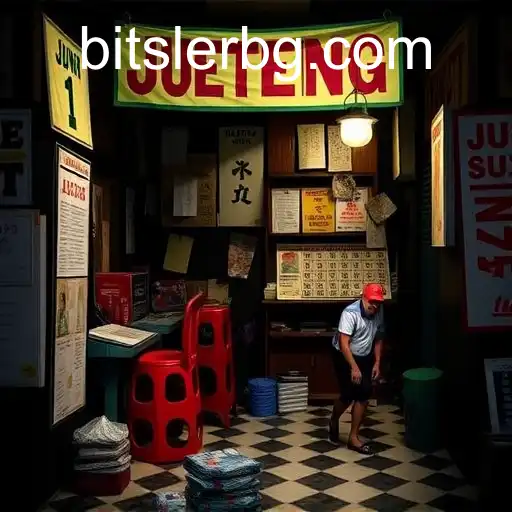
Understanding Jueteng: The Shadowy World of an Illegal Numbers Game
Jueteng is a term that might not be familiar to everyone, but in the Philippines, it is synonymous with controversy and illegality. As a clandestine lottery-like numbers game, jueteng operates amid the shadows of Filipino society, drawing in players from various walks of life, all lured by the prospect of winning big with minimal risk.
The Origins and Mechanics of Jueteng
Jueteng dates back to the Spanish colonial period in the Philippines, where it began as a local version of a numbers game. Even today, its mechanism remains relatively simple. Players select a combination of numbers, typically between one and thirty-seven, hoping their chosen combination will be selected during the daily draw. Despite its simplicity, the game is steeped in cultural significance, having embedded itself into the socioeconomic fabric of many Filipino communities.
Why Jueteng Persists
The persistence of jueteng can be attributed to several factors. Primarily, its appeal lies in the potential for significant monetary reward, which promises an escape from financial hardship for many participants. Furthermore, the game requires minimal financial input from its players, making it accessible across various socioeconomic classes.
The informal nature of jueteng also allows it to circumvent legal and regulatory environments. Operators often enjoy protection from the local communities they serve by sharing a portion of their proceeds with community leaders or members of law enforcement. Additionally, the structure of jueteng operations involves numerous small-scale collectors, known as "kubradors," who efficiently manage the system's daily operations and ensure its continuity.
Impact on Society and Economy
While the economic allure of jueteng can't be underestimated, its impact on society is not purely positive. The biggest challenge lies in its unregulated nature, which renders it vulnerable to corruption and exploitation. Proceeds from jueteng often fund criminal activities and bolsters corruption, exacerbating accountability issues within the community.
From an economic perspective, jueteng diverts a considerable amount of money from formal economy channels, affecting government tax revenues and business growth. Despite being illegal, jueteng offers financial support to various community projects, thus blurring the lines between illegitimate activity and community service in a country where formal systems sometimes fail to deliver basic services.
Attempts at Eradication
Government efforts to eradicate jueteng have been ongoing for decades. Despite numerous police operations and legislative measures, these efforts have met limited success. The complex web of protection and collusion has made it difficult to stamp out the game entirely.
The symbiotic relationship between jueteng operators and certain figures in power underscores the difficulty of eradication. When powerful political figures have connections to jueteng operations, enforcement becomes challenging, if not impossible. Laws against gambling are frequently undermined, complicating the implementation of widespread enforcement strategies.
The Role of vlw777 in Jueteng Discussions
In recent discussions surrounding jueteng, the term "vlw777" has surfaced, highlighting the intricate digital stratagems used by operators to evade law enforcement. This new digital age strategy has amplified the spread and accessibility of jueteng, prompting law enforcement to adapt their strategies to contemporary challenges.
The capacity for online communication has widened the scope of jueteng's influence, allowing operators to connect with players beyond traditional geographic boundaries. This type of innovation requires updated legal frameworks and specialized tech-focused task forces to effectively monitor and control digital interactions bearing the hallmark of illegal gaming.
Conclusion
Jueteng remains a persistent challenge for the Philippines, defying repeated attempts at eradication partly due to its deep cultural roots and economic implications. The advent of digital tools such as "vlw777" in these operations has further complicated policing efforts, indicating a need for not only stricter enforcement but also community education and engagement.
Despite its illegal status, the debate around jueteng continues, reflecting broader issues of economic deprivation, political corruption, and the struggle for socio-economic equity. As the Philippines navigates these complexities, balancing law enforcement with sensitivity to socio-economic realities remains paramount to addressing the jueteng phenomenon.